We recently learned that we will be awarded $124,180 in an Assistance to Firefighters Grant in the upcoming round. A description of what the grant entails is listed below.
PROJECT DESCRIPTION
There are two components to this project - the acquisition of a mobile training trailer prop to enhance our training programs and the replacement of obsolete LDH to make our operations safer. The two components are independent and severable. Each component will be addressed separately in this narrative.
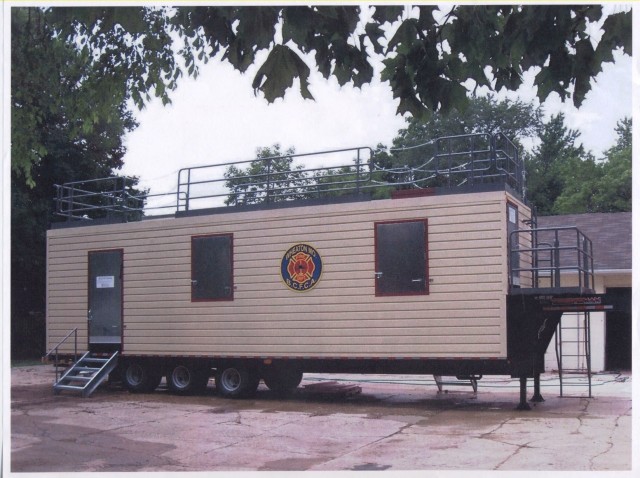
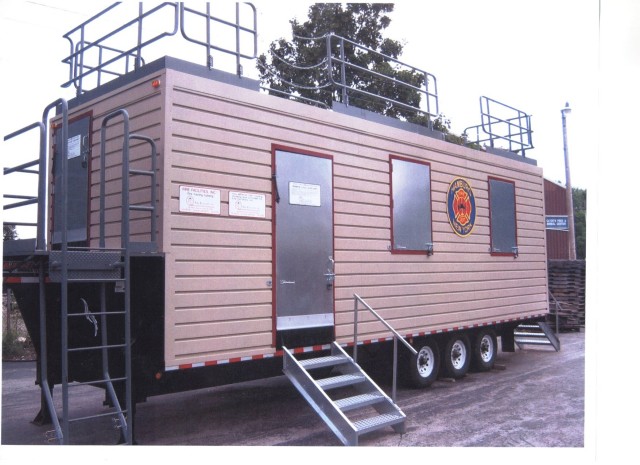
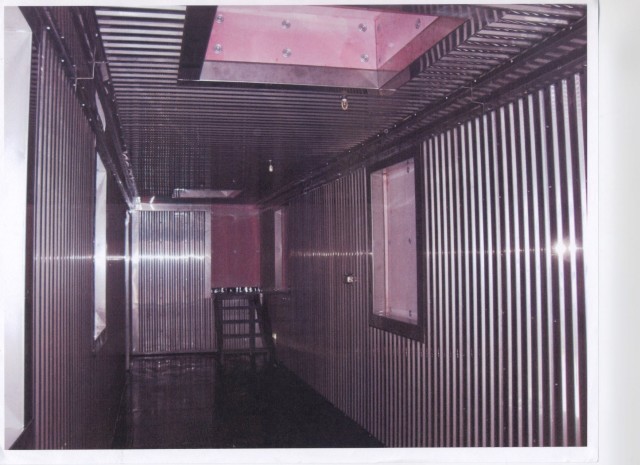
The first component consists of acquiring a mobile training trailer which will permit the members of the department and neighboring departments to conduct safe, realistic, instructor-led, hands-on training in basic firefighter skills in a safe, controlled environment. The trailer will permit basic training in live fire burns, sprinkler operations, search and rescue (maze), salvage and overhaul, SCBA training and ventilation techniques under realistic fire ground conditions. The unit will address two critical deficiencies - the time and travel costs to access the regional training facility and the lack of continuing refresher training under realistic conditions for our certified firefighters.
All of our new firefighters undergo a defined sequence of introductory training. Upon entry into the department, they receive training in a selected curriculum of non-hazardous firefighter skills training sessions. This prepares them to enter the next phase, a state certified Firefighter I training course administered by the Maryland Fire and Rescue Institute. At the present, there is no available facility to conduct realistic rudimentary skills training. A training trailer located at the fire fighter's station would meet this need.
Once the new firefighters advance to the state certified FF I or FF II level of training, they must travel to the regional facility for much of their additional training. The state program is NFPA 1001 compliant, is instructor-led and requires the student to demonstrate knowledge and skills through testing or demonstration to receive a certification of completion. The availability of the training trailer at the primary training location (usually a centrally located host station) would significantly reduce the time students spend in a travel status. Trips of up to 70 miles one way could be avoided. A training trailer located at the host station would minimize the travel requirements.
For certified firefighters at the FF I or FF II level there is a lack of adequate training props to simulate a realistic fire ground environment during skills refresher training. Travel times to the regional facility are burdensome and subject to availability. The use of acquired structures for training is limited to availability and introduces some significant concerns - namely environmental, structural integrity, structure preparation, and most importantly operational safety. The availability of a readily accessible training trailer prop would meet the need for a frequent and effective skills refresher training program under the guidance of a certified instructor in a controlled environment.
The mobility of the training trailer prop is a key feature. The unit will be made available to neighboring departments hosting certified or refresher training and the County wide firefighter vocational-tech program which also leads to NFPA 1001 compliant certification. In addition, the unit will be made available to other departments for their in-house training programs on an as needed basis when it is not committed to the certified training programs. A re-locatable training asset maximizes the utilization of the unit. In addition, it opens up additional opportunities for interdepartmental training sessions. This would be the first training prop of its kind in this area.
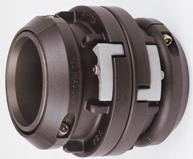
The second component of this project is the acquisition of 4 inch LDH to replace 15 to 20 year old hose that has non-locking Stortz couplings. We have experienced frequent, multiple hose uncoupling during fire ground operations and during training evolutions. Some of these have occurred at the pumper in the vicinity of operating personnel causing minor injuries and risking serious injury. NFPA 1963 mandates locking couplings. An associated project goal is the replacement of all non-locking Stortz adapters.
Once again, we thank Water Supply Officer Joe Guyther and the officers and members who worked on this grant project and making it a success!
Stay tuned as the projects are completed they will be featured here. |